Your dental practice’s daily risks span sharps injuries, bloodborne pathogens, chemicals and even workplace violence. But did you know that dentistry presents more OSHA risks than other health care fields. The prevalence of needlestick injuries among dental assistants in North America is a staggering 44%.
Adhering to safety requirements reduces workplace risks and confusion. The experts at Abyde, CDA’s Endorsed Service partner for HIPAA and OSHA compliance, sort through common OSHA myths and identify ways to comply.
Myth #1: OSHA doesn’t really apply to us. We’re a small practice.
A common misconception is that OSHA is just for hospitals or large health systems. But if you have any employees, OSHA is part of managing your practice.
FACT: Practices of every size face hazards like sharps, X-ray equipment, chemical disinfectants and bloodborne pathogen exposure. Address these risks with up-to-date documentation and training to maintain safety.
Tip: OSHA applies to every dental practice. To stay compliant, conduct training and file documentation as required.
Myth #2: OSHA training is optional if we’re careful.
Proactive compliance supports safety and practice success. Training reduces disruptions and boosts morale, leading to consistent operations and team members who feel valued.
FACT: OSHA training is an ongoing process. Many standards, like bloodborne pathogens, require annual and post-incident refresher training. Training must include sign-ins or quizzes to ensure workers understand their responsibilities.
Tip: Provide comprehensive OSHA training initially, annually and after relevant incidents to ensure compliance and safety.
Myth #3: Our safety data sheets are somewhere in our practice, and that’s good enough.
Make your safety data sheets library easy to access for all team members who handle or are exposed to chemicals.
FACT: Employees must know exactly where to find and how to use safety data sheets in emergencies. Libraries may be physical or digital as long as access is simple.
Tip: Document all workplace chemicals, including cleaning solutions, in your SDS library. Ensure documents remain current and standardized to OSHA requirements.
Myth #4: We wear gloves and masks. That covers PPE requirements, right?
Gloves and masks are only part of the picture when it comes to PPE.
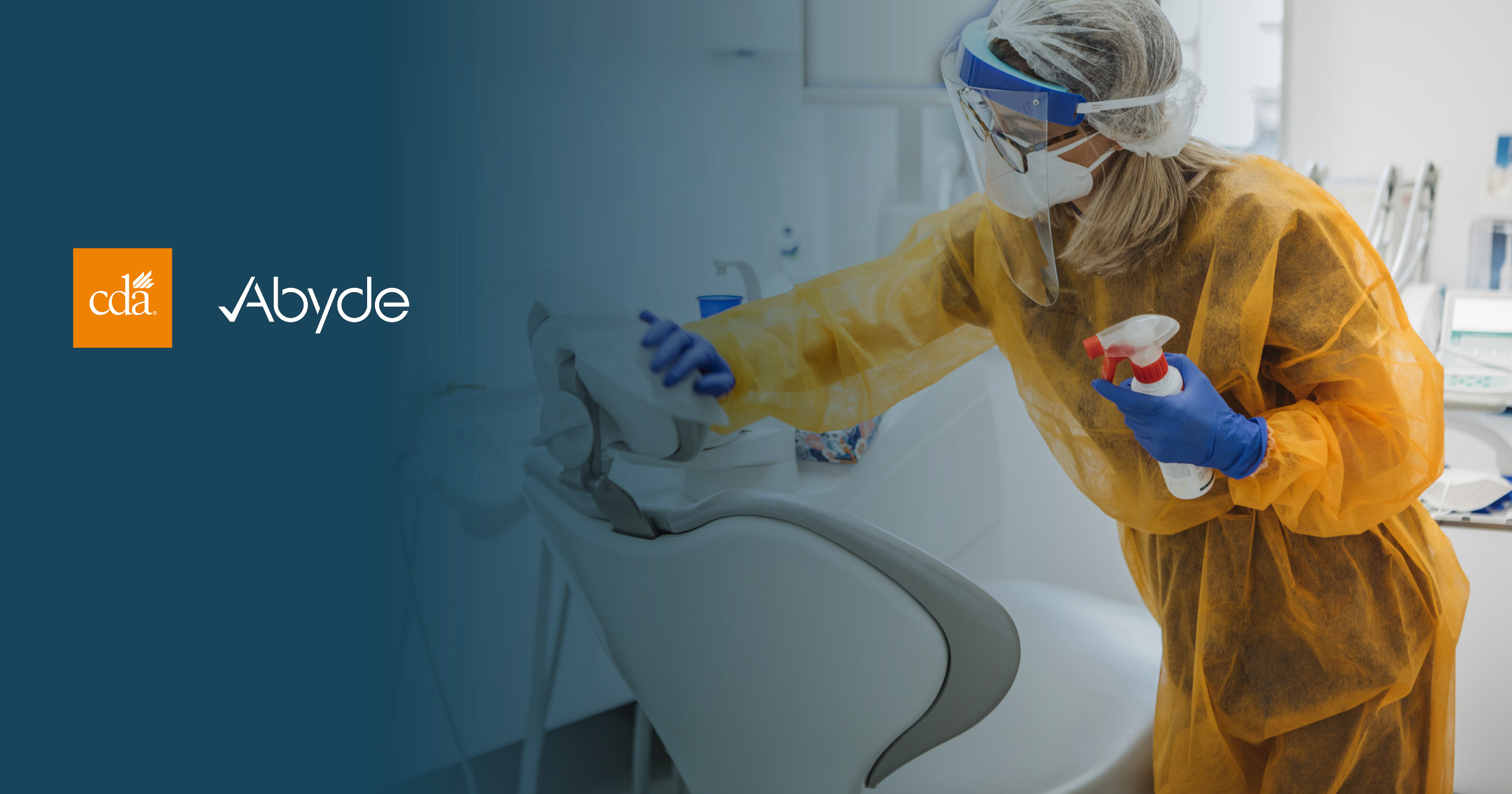
FACT: OSHA expects employers to supply all necessary PPE, including gowns and eyewear, based on assessed risk. Ensure items are stocked and fit well and staff are trained to use PPE properly.
PPE includes multiple layers, not just gloves and masks, to protect against blood, saliva, chemicals and other hazards.
Tip: Assess hazards, supply appropriate PPE and train staff on correct PPE usage for all tasks. The Dental Board of California also has specific PPE requirements.
Myth #5: Verbal harassment doesn’t count as workplace violence.
Health care providers are likely to experience workplace violence five times as often as other fields.
FACT: California legislation that took effect in 2024 expands workplace violence protections to all employers. It requires training, a prevention plan and reporting all incidents, including verbal harassment and near misses. Any form of harassment is a reportable safety concern. Reporting threats, intimidation and harassment promotes a safer environment for everyone.
Tip: Promptly report all types of workplace violence, including verbal harassment, to foster a safer practice culture.
Webinar and more support for a safer, OSHA-ready practice
OSHA compliance in dentistry is not optional, and it’s not just about avoiding fines.
It is about ensuring every employee comes to work feeling safe and supported. Quality training, complete documentation and open discussions build practice cultures where everyone feels more secure.
Members can join the compliance experts at CDA and Abyde on Feb. 24 at 5:30 p.m. for a free, live, C.E.-eligible webinar covering federal and state OSHA regulations, Cal/OSHA training requirements and how to develop required written plans. Learn more or register for “More than Infection Control: OSHA Essentials for Dental Practices.”
CDA members can also connect directly with Abyde for guidance on OSHA compliance tailored to California dental practices. Schedule a consultation with one of Abyde’s compliance experts or learn more about solutions available as a benefit of membership.