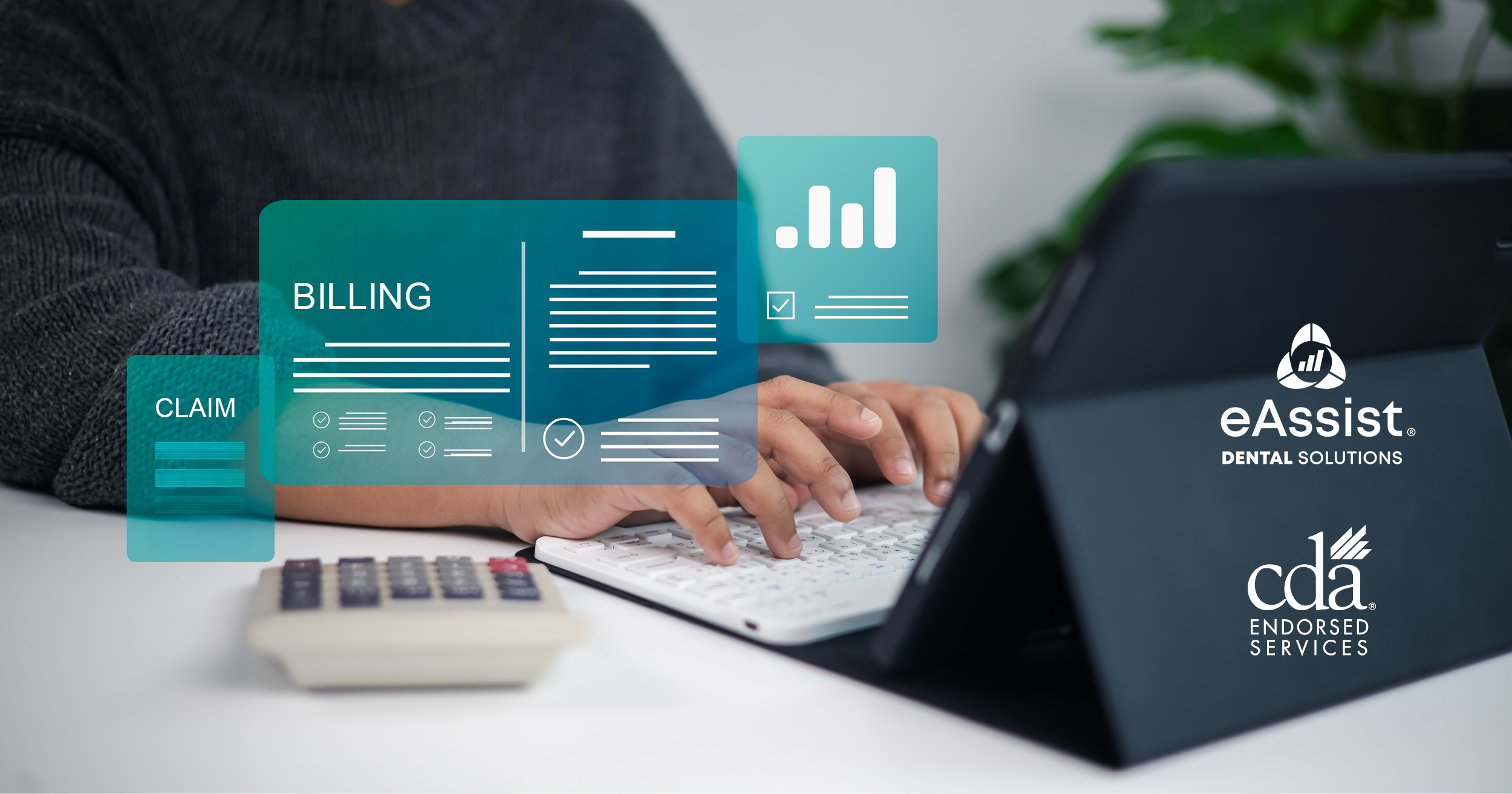
Dental billing is changing fast as artificial intelligence becomes part of everyday workflows, shaping how practices submit claims, manage follow-up and keep revenue moving. What once required hours of manual effort can now be supported by smarter systems that improve efficiency and visibility. But while AI is opening the door to faster processes, it also raises an important question: how do practices use new technology without losing control of accuracy and consistency?
Knowing where AI helps — and where it doesn’t
AI is great at working through large amounts of data and spotting patterns that are easy to miss. In dental billing, that means it can support routine tasks and help teams address issues before claims are submitted. Used thoughtfully, AI can help even the smallest dental practices improve efficiency in routine billing activities. What it can’t do is replace real-world judgment. Complex claims still require experience, context and a clear understanding of payer expectations.
Getting claims right the first time
Accuracy matters more than speed if a claim is denied. AI tools can help identify missing details or potential coding issues before a claim is submitted, giving teams a chance to fix problems early. That extra layer of review can make a meaningful difference. Fewer errors upfront mean fewer delays, less rework and more predictable cash flow over time.
Reducing denials without going on autopilot
As insurance carriers rely more on automated reviews, small inconsistencies can trigger denials quickly. AI can help spot trends and flag claims that may need extra attention, helping teams be more proactive rather than reactive. AI provides valuable support, yet human oversight remains essential.
Why people still matter in billing
AI works best as a support tool, not a replacement. It can handle high-volume, low-complexity work efficiently, freeing dental team members to focus on patients and the areas that truly need their expertise. Appeals, exceptions and complex claims still require someone who knows how to interpret payer feedback, apply judgment and communicate effectively when challenges arise.
Legal and regulatory considerations
Regulators, patients and employees have concerns about potential consequences of AI use, including questions about privacy and how their roles may change. Health care providers can ease these concerns by practicing transparency and performing due diligence prior to implementing AI systems. CDA’s article highlights how current laws and regulations impact a dentist’s use of AI.
Building a smarter, more balanced approach
The most successful billing strategies don’t choose between people and technology—they use both. When AI supports experienced professionals, practices gain efficiency without sacrificing accuracy or control. That balance allows offices to adapt to change while maintaining confidence in how their revenue is managed.
At eAssist Dental Solutions, a CDA-Endorsed Service for member dentists, AI is used to support billing specialists, not replace them. By combining advanced technology with experienced professionals, eAssist helps practices reduce denials, improve accuracy and navigate an increasingly complex insurance landscape with confidence.
For more on how AI is reshaping dental billing, download the ebook Dental Billing Transformed: AI Insights for 2026. Or, if you’d like to discuss how this could apply to your practice, schedule a consultation with an eAssist expert today.